
Low-water cover
Native & Wildflower Seeding in Salt Lake City, UT
Grass and flower mixes that hold soil on less water once established.
- Free site visits with a written estimate
- Seed mixes chosen for your soil, sun and water
- Seeding scheduled around Salt Lake's spring and late-summer windows
Cover That Fits a Semi-Arid Valley
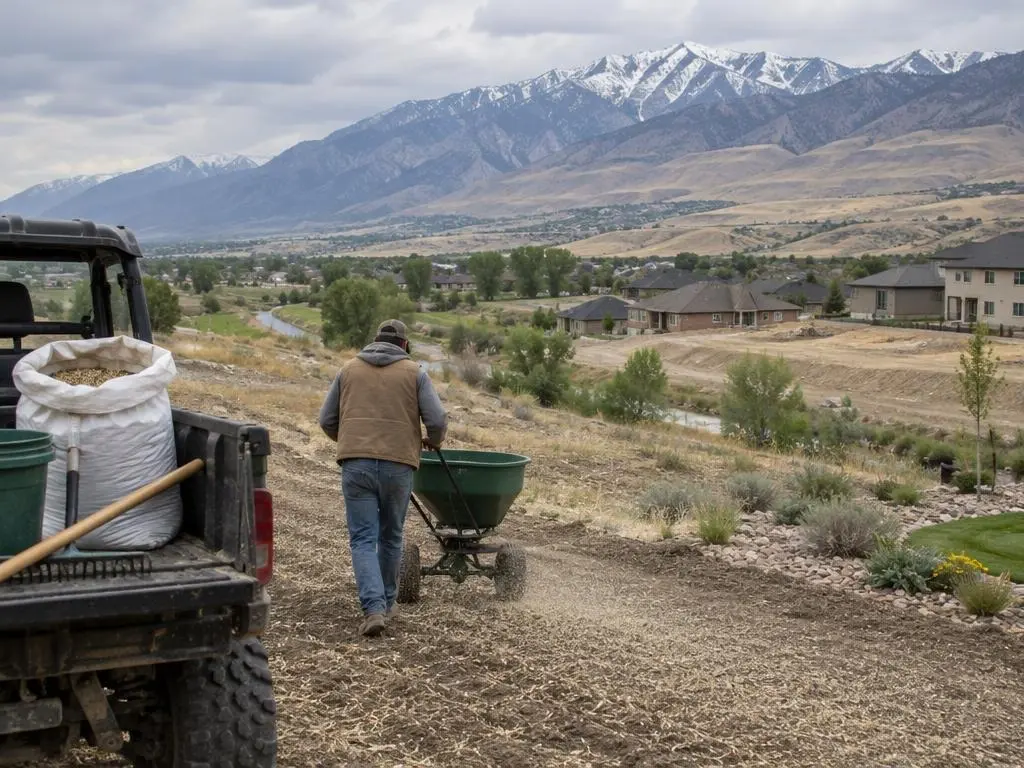
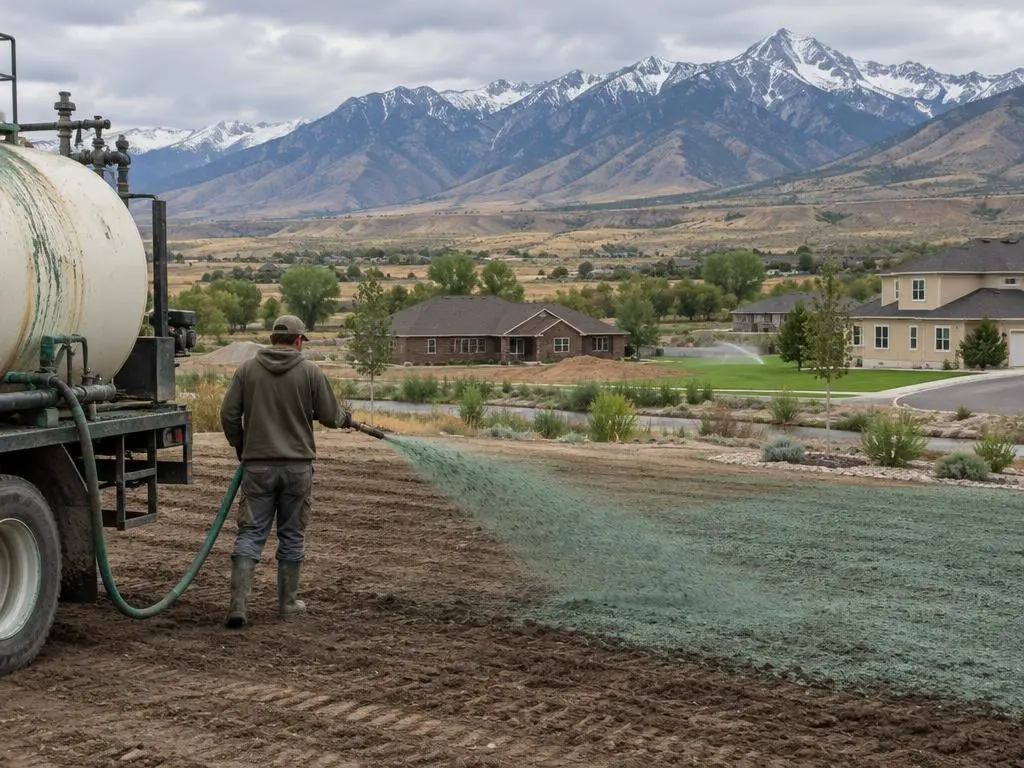
Native & wildflower seeding gives Salt Lake City property owners a way to cover ground that does not need to be a lawn. Back slopes, drainage areas, open acreage, parking strips, fire buffers and the edges of large lots can be seeded with grasses and flowers suited to a dry climate, then left to grow on far less water than turf once they are established. We hydroseed these mixes with mulch and tackifier, which protects the small seed and keeps it in place on slopes.
Why it makes sense here
Pioneers arrived in a semi-arid valley and had to build irrigation before anything else could grow. That has not changed: airport normals show about 15.5 inches of precipitation a year, with July and August together bringing barely more than an inch. Sustained drought has strained Utah's water supply and pushed the Great Salt Lake to record lows. Every square foot of ground that does not need summer sprinklers helps a property's water bill and the valley's supply.
Where native seeding works well
It fits best on slopes that are hard to mow and water, on detention basins and drainage swales, on acreage and horse property edges, on commercial open space, and along the back and side yards people rarely use. It also pairs well with erosion control: a native mix sprayed with hydromulch or under an erosion control blanket gives a slope long-term cover without the irrigation a lawn would need.
Grass and flower choices
USU Extension lists buffalograss and blue grama as warm-season grasses for Utah and advises seeding them in spring or early summer, when warmer temperatures suit them. Other mixes lean on cool-season native and adapted bunchgrasses that grow in spring and fall. Wildflower blends add color and pollinator value. On salty ground, USU's tables rate some grasses, such as crested wheatgrass and alkaligrass, well above Kentucky bluegrass for salt tolerance. We build the mix around your soil, sun, slope and how much water you will give it in the first year.
Timing
Timing depends on the mix. Warm-season grasses go down in late spring and early summer. Many cool-season native mixes are seeded in fall so winter moisture and snowmelt can settle the seed and start germination in spring; most of the valley's precipitation falls between October and May. We will tell you which window fits the species in your mix.
Patience in the first years
Native plantings establish more slowly than a lawn. The first season can look sparse, and annual weeds may outgrow the natives at first. Some supplemental water during the first summer improves establishment considerably, and mowing weeds high before they set seed helps the natives catch up. By the second or third year, a well-established native area needs little more than an occasional mow or trim and spot weed control.
Preparing the ground
Native seed is small and slow, so competition matters more than it does with a lawn. Existing weeds and turf are controlled before seeding, and the surface is loosened so the seed makes good contact with soil. On ground with a history of heavy weeds, a period of weed control before seeding pays off. We avoid heavy fertilizer, which tends to help weeds more than natives.
Fire-wise and practical edges
On lots that back onto open brush or foothill land, we often keep a mowed, irrigated strip near the house and seed the outer area with a lower, native mix that can be cut back in summer. That keeps the transition tidy and easy to maintain, and the native cover keeps the outer ground from going to bare dirt and weeds.
Lawn plus native
Many of our residential jobs combine both: a hydroseeded lawn where the kids play and the dog runs, and a native or wildflower mix on the slope, the side yard or the back corner. It costs less to water, it controls dust and erosion on the parts of the lot that would otherwise go bare, and it gives the yard a look that fits the foothills around it. Get a free estimate
Native Seeding Options
Mixes and methods for ground that should not need a sprinkler all summer.
Native grass mixes
Bunchgrasses and sod-formers adapted to dry summers and cold winters.
Wildflower blends
Annual and perennial flowers for color and pollinators on slopes and open areas.
Salt-tolerant mixes
Grasses rated for higher soil salt where a soil test shows it.
Slope and basin seeding
Native mixes paired with hydromulch or blankets on banks, swales and basins.
Acreage and open space
Large-area seeding to control dust and weeds on land that will not be irrigated.
Lawn-to-native conversions
Turning low-use turf into native cover after removal and soil prep.
Published Seeding Prices for Larger Areas
| Item | Published range |
|---|---|
| Hydroseeding per acre (LawnStarter) | $2,136 to $4,897 |
| Hydroseeding per acre (Fixr) | $2,000 to $4,000 |
| Lawn seeding per acre (Fixr) | $3,500 to $6,400 |
| Seeding one acre (Lawn Love) | $3,049 to $10,019 |
| Native and wildflower mixes | Quoted on site, by mix and seeding rate |
General seeding prices; no current published figure covers contractor-installed native or wildflower mixes, which vary widely by species. These are averages from cost guides; our written number for your site is final.
How Native Seeding Works
1. Site and goals
We look at sun, slope, soil and water, and talk about the look you want.
2. Mix design
Species chosen for the site and the seeding window, with a soil test where salt is likely.
3. Weed and soil prep
Existing weeds controlled and the surface loosened for seed contact.
4. Hydroseed and mulch
Seed sprayed with mulch and tackifier; blankets added on steeper ground.
5. Establishment care
Guidance on first-year water and weed mowing until the natives fill in.
Why Choose Us for Native & Wildflower Seeding
Mixes built for the site
Species chosen for your soil, sun and water, not a single generic bag.
Honest timelines
We explain that natives take a couple of seasons and how to help them along.
Erosion control included
Mulch and blankets keep seed in place on slopes until roots take hold.
Native & Wildflower Seeding Questions
Will native grass stay green all summer?
Many native grasses go dormant and turn tan in midsummer heat, then green up again with cooler weather. That is normal and saves water.
Do native seed mixes need water?
Some supplemental water in the first season helps a lot. After establishment, most native areas get by on natural precipitation, with occasional deep watering in long dry spells.
Can I seed wildflowers on a slope?
Yes. Hydroseeding with mulch or seeding under a blanket keeps the small seed in place on sloped ground.
How long until a native area fills in?
Expect a sparse first year and much fuller cover by the second or third year, depending on the mix and moisture.
Is buffalograss a good lawn substitute?
In sunny areas with light use it can be. USU Extension lists it as a warm-season grass for Utah, seeded in spring or early summer. It browns earlier in fall than bluegrass.
Native & Wildflower Seeding Service Areas
- Hydroseeding in Salt Lake City, UT
- Hydroseeding in Herriman, UT
- Hydroseeding in South Jordan, UT
- Hydroseeding in West Jordan, UT
- Hydroseeding in Riverton, UT
- Hydroseeding in Bluffdale, UT
- Hydroseeding in Draper, UT
- Hydroseeding in Sandy, UT
- Hydroseeding in Cottonwood Heights, UT
- Hydroseeding in Holladay, UT
- Hydroseeding in Millcreek, UT
- Hydroseeding in Murray, UT
- Hydroseeding in Midvale, UT
- Hydroseeding in Taylorsville, UT
- Hydroseeding in West Valley City, UT
- Hydroseeding in Kearns, UT
- Hydroseeding in Magna, UT
- Hydroseeding in Tooele, UT
- Hydroseeding in Stansbury Park, UT
- Hydroseeding in Bountiful, UT
- Hydroseeding in Farmington, UT
- Hydroseeding in Centerville, UT
- Hydroseeding in North Salt Lake, UT
- Hydroseeding in South Salt Lake, UT
Get a Native & Wildflower Seeding Estimate
Free site visits for slopes, acreage and low-water areas in the valley.